Choosing between a condo and a single-family home in West Palm Beach is not just about square footage. It is about how you want your days to feel, what kind of upkeep you want to handle, and how closely you want to live to the city’s waterfront energy. If you are weighing both options, this guide will help you compare the lifestyle, costs, and tradeoffs that matter most so you can move forward with more clarity. Let’s dive in.
West Palm Beach Lifestyle at a Glance
West Palm Beach offers a mix of city energy and coastal ease that can make either housing choice appealing. Downtown is shaped by restaurants, events, arts venues, and public waterfront spaces rather than a purely suburban layout, according to the Downtown Development Authority.
If you picture your weekends around a market stroll, a waterfront event, or dinner before a show, downtown delivers a lot within a compact area. The city hosts recurring events like GreenMarket, Clematis by Night, Sunday on the Waterfront, and 4th on Flagler, with arts anchors including the Kravis Center, Palm Beach Dramaworks, and the Norton Museum of Art, all highlighted by Downtown West Palm Beach resources.
For buyers focused on convenience, walkability is a real factor here. Walk Score rates Downtown West Palm Beach at 83, and Brightline notes that its West Palm Beach station is within walking distance of many downtown destinations. That setup can make condo living especially attractive if you want a more car-light routine.
Why Condos Appeal in West Palm Beach
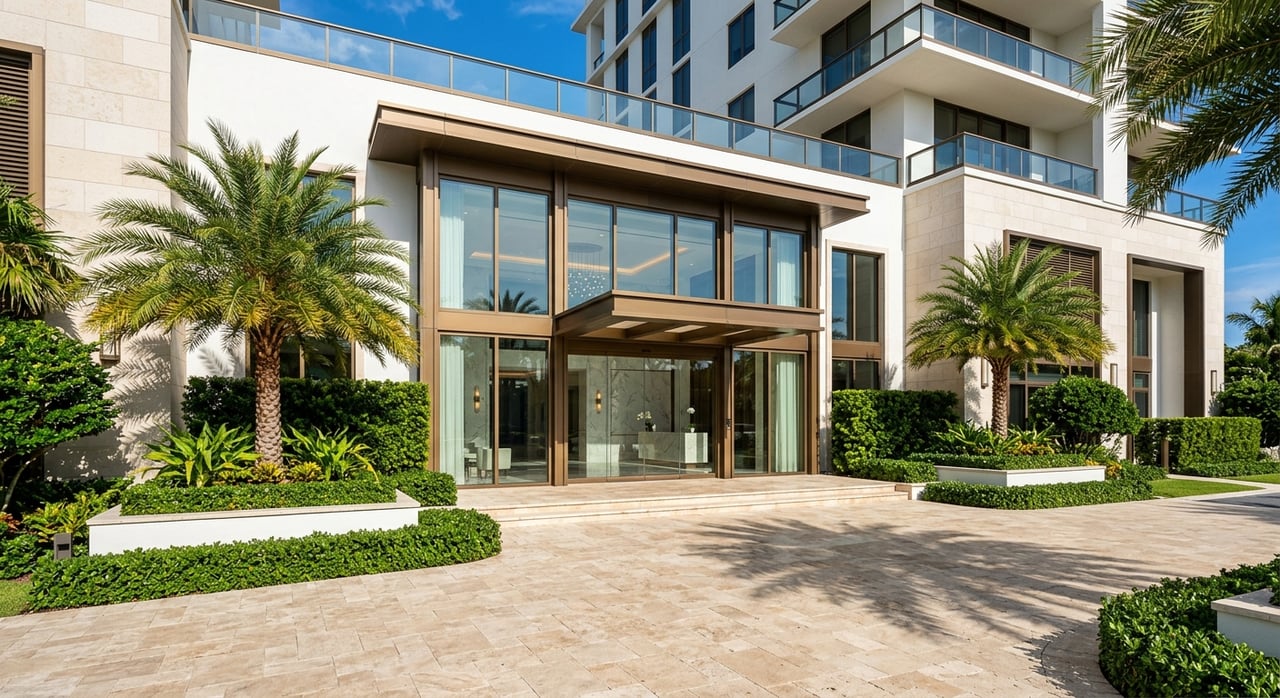
A condo can be a strong fit if you want a simpler, more flexible ownership experience. In West Palm Beach, that often means easier access to downtown dining, arts, transit, and the waterfront, with less day-to-day responsibility for exterior maintenance.
Many buyers are drawn to the lock-and-leave convenience. According to the Consumer Financial Protection Bureau, condo and HOA dues are typically separate from your mortgage and can range from a few hundred dollars a month to more than $1,000. Fannie Mae explains that these fees often cover exterior maintenance, common areas, and utilities such as water, sewer, and trash, along with shared amenities.
That structure can be especially useful if you travel often, split time between homes, or simply do not want to manage as many routine property tasks yourself. You may be trading some autonomy for convenience, but for many buyers that trade feels worthwhile.
Condo Pros to Consider
- Less personal responsibility for exterior upkeep
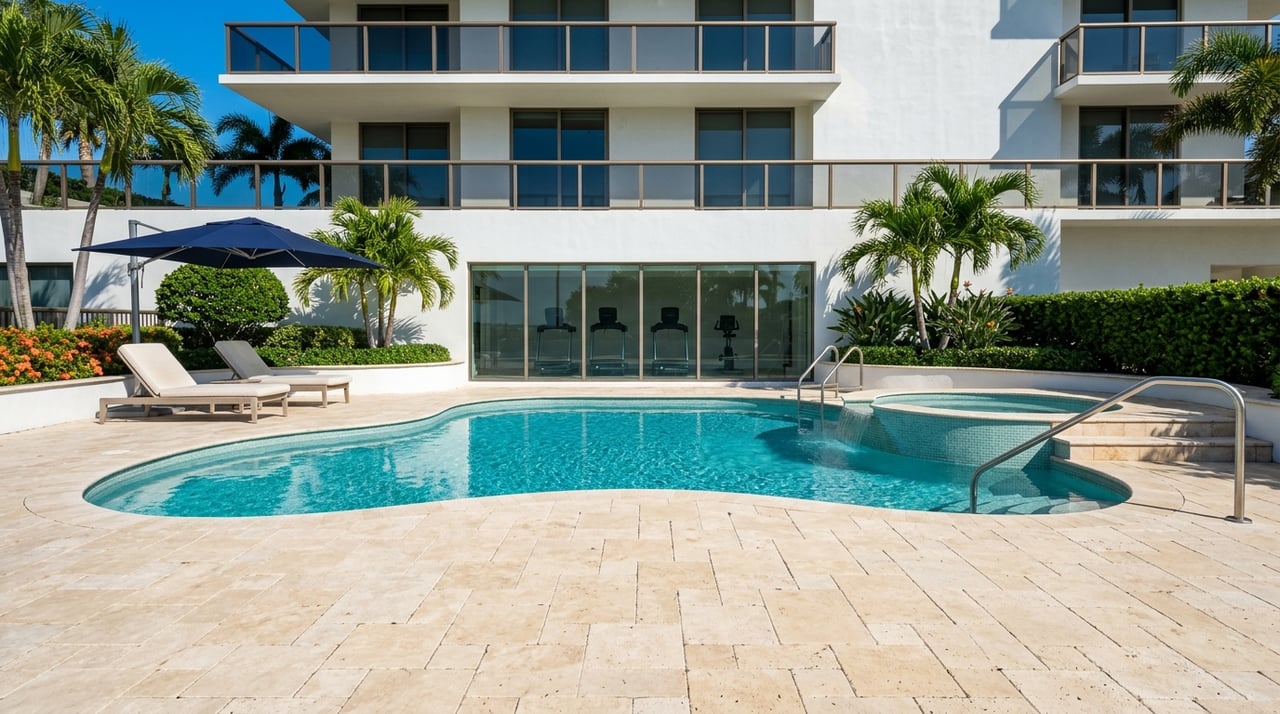
- Shared amenities and common spaces
- Easier lock-and-leave ownership for seasonal use
- Strong access to downtown dining, events, and transit
- Potentially simpler day-to-day routine
Condo Tradeoffs to Watch
- Monthly condo or HOA dues are part of your carrying cost
- Board decisions can affect budgets, repairs, and rules
- Special assessments may arise depending on the building
- You generally have less privacy and less control than in a detached home
Florida Condo Rules Matter More Now
If you are considering a condo in West Palm Beach, it is important to look beyond finishes and views. Florida condo ownership now comes with a stronger reserve and building-governance component than many buyers expect.
Under Florida law, residential condominium associations must complete a structural integrity reserve study at least every 10 years for buildings that are three habitable stories or higher. The law also limits how reserve funds can be used for required components.
This matters because building fees, reserve funding, and future assessments can shape your true monthly cost of ownership. For older buildings in particular, understanding the association’s financial position is an important part of making a smart decision.
Why Single-Family Homes Appeal
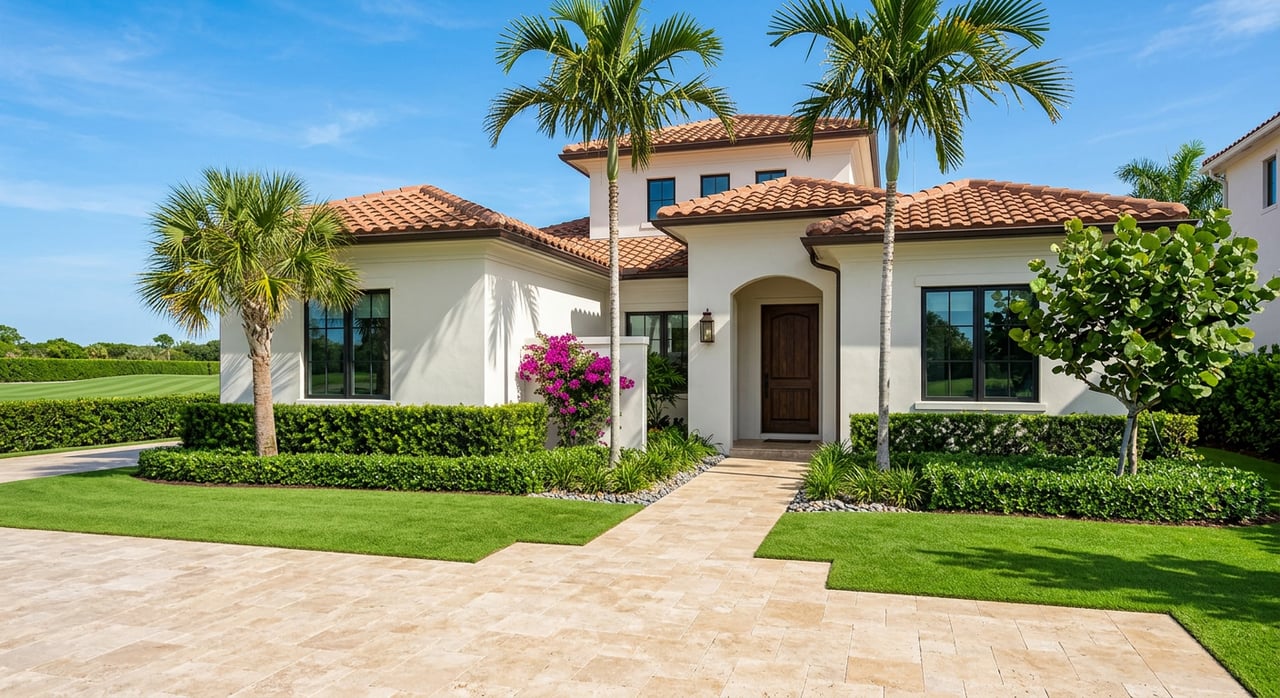
A single-family home often suits buyers who want more privacy, more outdoor space, and more control over their property. Near downtown or the Intracoastal, that can mean a quieter daily routine with greater freedom to personalize how you live.
The tradeoff is that the responsibility is yours. The CFPB notes that ongoing homeownership costs can include maintenance and repairs, homeowner’s insurance, flood insurance, utilities, and HOA fees if they apply.
For some buyers, that extra responsibility feels worth it because it comes with more independence. You are not relying on a building association to make decisions about repairs, common-area spending, or policy changes that affect your daily life.
Single-Family Pros to Consider
- More separation from neighbors
- More control over the property
- Potential for private outdoor space
- Greater flexibility in day-to-day living
- A more traditional homeownership experience
Single-Family Tradeoffs to Watch
- You handle maintenance and repair planning
- Insurance and utility costs may be higher or more variable
- Flood insurance may be part of your budget
- Upkeep can take more time, especially if you are away often
Historic Districts Add Character and Rules
If you are drawn to older single-family homes with architectural character, West Palm Beach offers a notable range of historic settings. The city reports 18 locally designated historic districts, including areas such as El Cid, Flamingo Park, Mango Promenade, Northwood Harbor, Prospect/Southland Park, Sunshine Park, and Vedado-Hillcrest.
These neighborhoods can offer an established street feel and a strong sense of continuity. At the same time, exterior changes must comply with the city’s historic preservation ordinance and design guidelines. If you value charm and consistency, that may be a plus. If you want to remodel quickly and freely, it is something to consider carefully.
Condo or Single-Family: Key Differences
When buyers compare these options in West Palm Beach, the real decision often comes down to your preferred rhythm of life. Do you want an elevator, lobby, and quick access to downtown events, or do you want a detached home, more outdoor space, and more control?
Here is a simple side-by-side view:
| Factor | Condo | Single-Family Home |
|---|---|---|
| Maintenance | Lower personal responsibility for exterior upkeep | Owner handles repairs and maintenance |
| Monthly costs | Mortgage plus dues and possible assessments | Mortgage plus insurance, utilities, maintenance, and possible HOA dues |
| Privacy | Shared building environment | More separation from neighbors |
| Flexibility | More rules and board oversight | More control over property use and updates |
| Walkability | Often stronger near downtown | Varies by location |
| Best for | Seasonal owners, frequent travelers, convenience-focused buyers | Buyers wanting privacy, space, and control |
How to Choose Based on Your Routine
One of the best ways to decide is to picture a normal week, not just a perfect Saturday. Your answer may become clearer when you think about how often you will actually be in town, how much maintenance you want to handle, and how important privacy is to you.
A condo may be the better fit if you want a home base that supports a lighter, more flexible lifestyle. If you like the idea of walking to events, dining downtown, and spending less time managing the property, that path can make a lot of sense.
A single-family home may be the better fit if you want more room to spread out and more control over your surroundings. If outdoor space, separation from neighbors, and long-term customization matter most, the extra responsibility may feel like a fair trade.
Questions to Ask Before You Decide
Before you move forward, it helps to compare each option through the same lens. Focus on the costs, lifestyle, and ownership structure you will live with month after month.
Ask yourself:
- How often will you use the home each year?
- Do you want a lock-and-leave property?
- How comfortable are you with ongoing maintenance and repairs?
- Is walkability important to your routine?
- How much privacy do you want?
- Are monthly dues acceptable if they reduce your workload?
- Would rules around exterior updates or association decisions frustrate you?
In West Palm Beach, there is no one-size-fits-all answer. The right choice is the one that supports your lifestyle, budget, and comfort with responsibility.
If you are weighing condo versus single-family living in West Palm Beach, a thoughtful local perspective can help you narrow the options quickly and confidently. Carla Christenson offers a refined, consultative approach for buyers seeking the right coastal fit, whether you are looking for convenience near downtown or a more private single-family setting.
FAQs
What is the main lifestyle difference between a condo and a single-family home in West Palm Beach?
- A condo often offers a more convenient, lower-maintenance routine with easier access to downtown amenities, while a single-family home typically offers more privacy, outdoor space, and control.
What costs should you compare when choosing a condo in West Palm Beach?
- You should compare the mortgage, condo or HOA dues, what those dues cover, and the potential for future assessments tied to building repairs or reserve funding.
What costs should you compare when choosing a single-family home in West Palm Beach?
- You should look at the mortgage, maintenance and repair expenses, homeowner’s insurance, possible flood insurance, utilities, and any HOA fees if the property is in a planned community.
How walkable is downtown West Palm Beach for condo buyers?
- Downtown West Palm Beach has a Walk Score of 83, and many downtown destinations are within walking distance of the Brightline station, which supports a more car-light lifestyle.
What should buyers know about historic single-family homes in West Palm Beach?
- Buyers should know that homes in locally designated historic districts may offer character and an established setting, but exterior changes must follow city historic preservation rules and design guidelines.
Who is condo living in West Palm Beach best suited for?
- Condo living is often best for seasonal residents, frequent travelers, and buyers who want shared amenities and less day-to-day property management.
Who is single-family living in West Palm Beach best suited for?
- Single-family living is often best for buyers who want more privacy, more space, and greater control over the property and are comfortable managing maintenance responsibilities.