Choosing between a condo and a single-family estate on Jupiter Island is not just about square footage. It is about how you want to live day to day on a rare, low-density barrier island where privacy, views, boating access, and maintenance needs can look very different property to property. If you are weighing options, you are not alone. Many buyers love the Island’s calm and exclusivity but want clarity on trade-offs before they commit. In this guide, you will get a clear, local framework to match your lifestyle with the right property type, plus a practical checklist to reduce surprises. Let’s dive in.
Jupiter Island at a glance
Jupiter Island in Martin County is primarily residential, known for its low density, strong privacy, and high-end coastal properties. Inventory is often limited, and values reflect oceanfront and Intracoastal prestige. Single-family estates tend to dominate, while condo opportunities are fewer and appeal to buyers seeking lower maintenance or seasonal use.
If you want current market data, plan to consult the local MLS for listings and recent sales, the Martin County Property Appraiser for assessments, and the Town of Jupiter Island and Martin County planning departments for land use and zoning information. Your decision benefits from local, up-to-date data since waterfront regulations and insurance requirements evolve.
Condos vs homes: key differences
Both options can offer water views and Island access, but your experience will feel different.
- Condos: Lower hands-on maintenance, shared amenities, and a lock-and-leave lifestyle. Association rules guide maintenance, rentals, pets, and common areas.
- Single-family estates: Maximum privacy, outdoor customization, and private docks or beach access where allowed. You manage all maintenance and vendors.
Your best fit starts with your lifestyle priorities: convenience and amenities or privacy and control.
Maintenance and monthly costs
Condo ownership
Condo fees typically cover common-area landscaping, building exterior upkeep, structural common elements, amenity operations, and master insurance for common structures. Your direct responsibility is usually the interior of the unit and sometimes limited balcony or terrace components. The financial health of the association matters. Review budgets, reserves, minutes, and any recent or pending special assessments. Ask about engineering reports, capital projects, and litigation to understand potential cost changes.
Single-family estates
You are responsible for roof, exterior, landscaping, irrigation, pool, pest control, and any seawall or dock maintenance. Many estates on Jupiter Island are sizable and may require property management if you are seasonal. Expect to coordinate vendors, schedule maintenance, and plan for capital projects over time. If an HOA or architectural review board applies to your location, review those guidelines early.
Privacy and space
Single-family homes on Jupiter Island typically sit on larger lots with more distance between neighbors. You control privacy measures like gates, landscape buffers, and fencing, subject to codes. If seclusion and custom outdoor living are top priorities, an estate setting usually fits.
Condos, where available, have shared walls and common areas. You gain convenience and community amenities, but privacy is more limited by design. If you value a social atmosphere and a simpler routine, that trade-off may work in your favor.
Views and waterfront types
Water orientation influences lifestyle, risk, and value.
- Oceanfront estates: Direct beach access with dramatic views. Expect higher exposure to wave energy and storm surge. Verify dune systems, coastal setbacks, and erosion history.
- Intracoastal and canalfront estates: Calmer waters and easier docking for private boats. Seawall and dock condition should be reviewed.
- Condos: Where present, buildings can be oceanfront or on the Intracoastal. You share amenities like beach access or docks. Elevation and building position influence view quality and resilience.
For any waterfront property, confirm elevation, seawall condition, and historical shoreline changes. On beachfront parcels, beach and dune protections guide what you can modify.
Boating and dock access
Private docks for estates
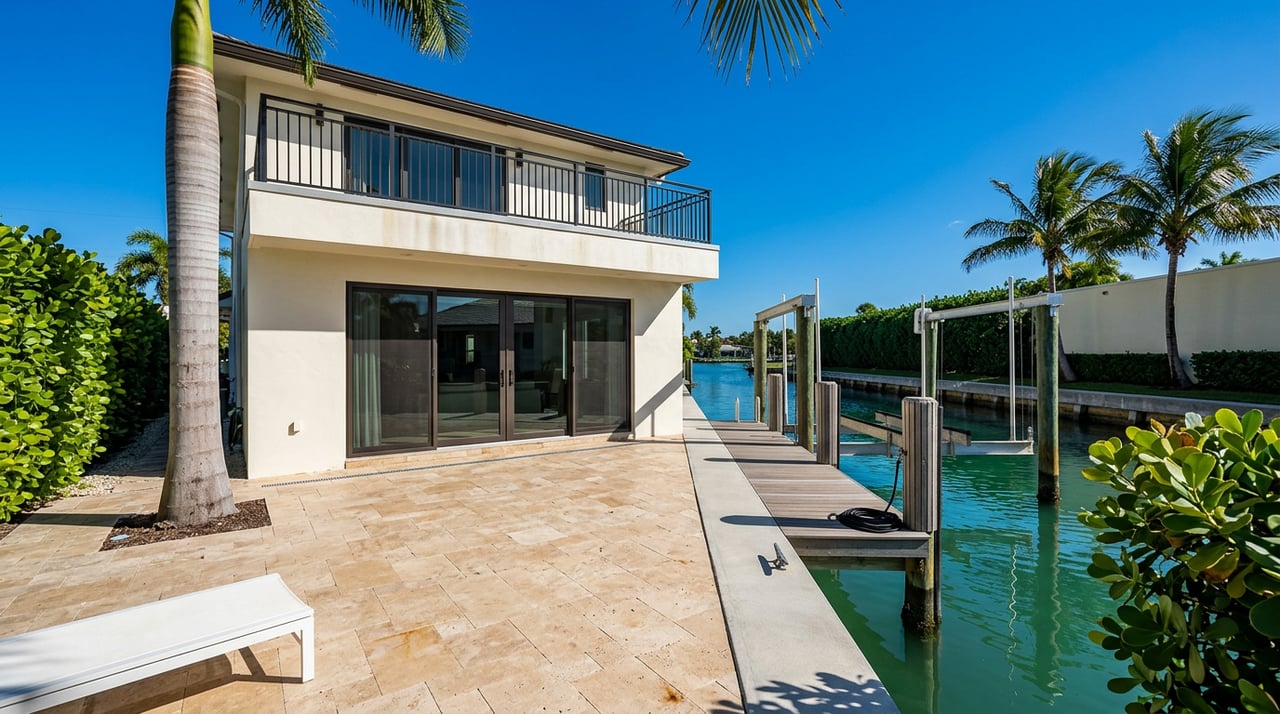
Many Intracoastal or canalfront homes include private docks with direct access to the Intracoastal Waterway and Jupiter Inlet. Ownership brings control and convenience, plus ongoing maintenance and permitting responsibilities. Dock or seawall work typically requires approvals through Martin County and state agencies. Seagrass protection and setback rules can affect design, boat size, or lift placement.
Shared docks for condos
Some condo communities offer shared docks, assigned slips, or marina access managed by the association. This reduces personal upkeep, but slip availability, size, and usage policies are governed by the HOA. If boating is a priority, verify how slips are allocated and what restrictions apply before you buy.
Navigation considerations
Getting offshore usually means transiting Jupiter Inlet. Local knowledge of currents and shoaling is important. If you plan frequent ocean runs, factor inlet conditions and travel time into your decision.
Lifestyle and amenities
Condo lifestyle
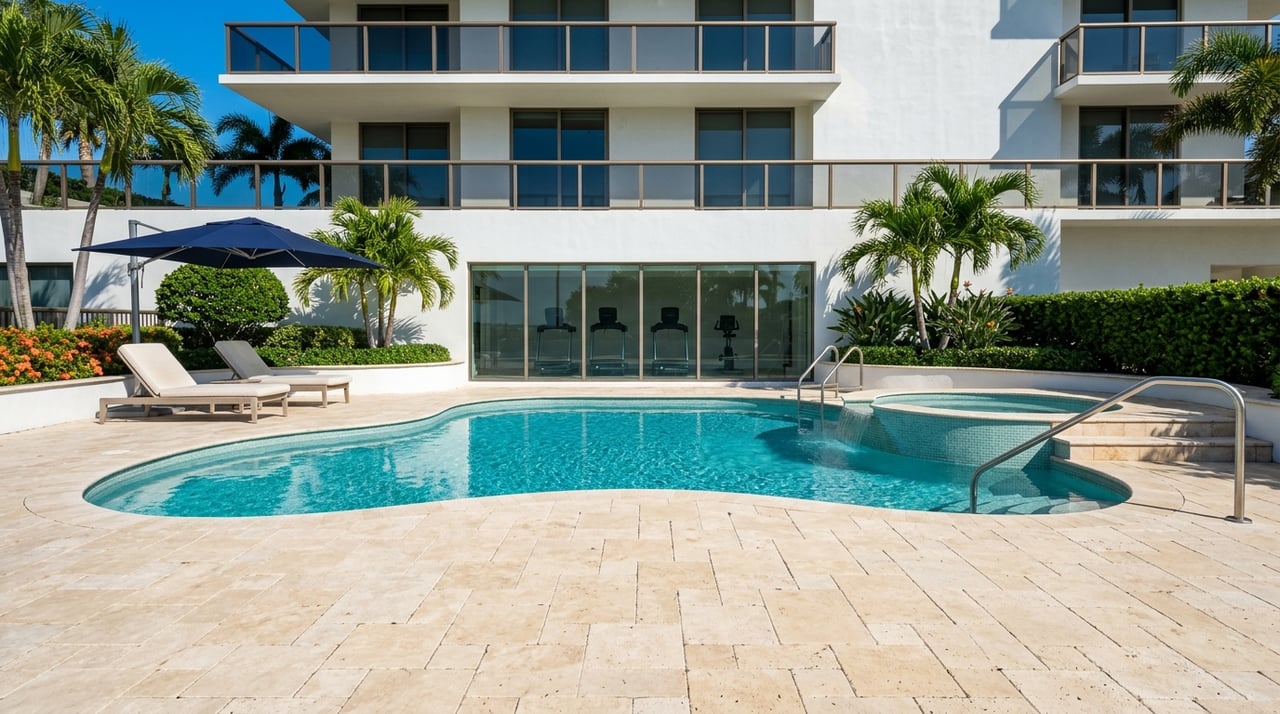
Condos may bundle pools, fitness rooms, security, and manicured grounds. The lock-and-leave model appeals if you are a seasonal resident or prefer fewer household tasks. The trade-offs include association rules that limit rentals, pets, or guest policies, and fewer opportunities for large-scale outdoor customization.
Estate lifestyle
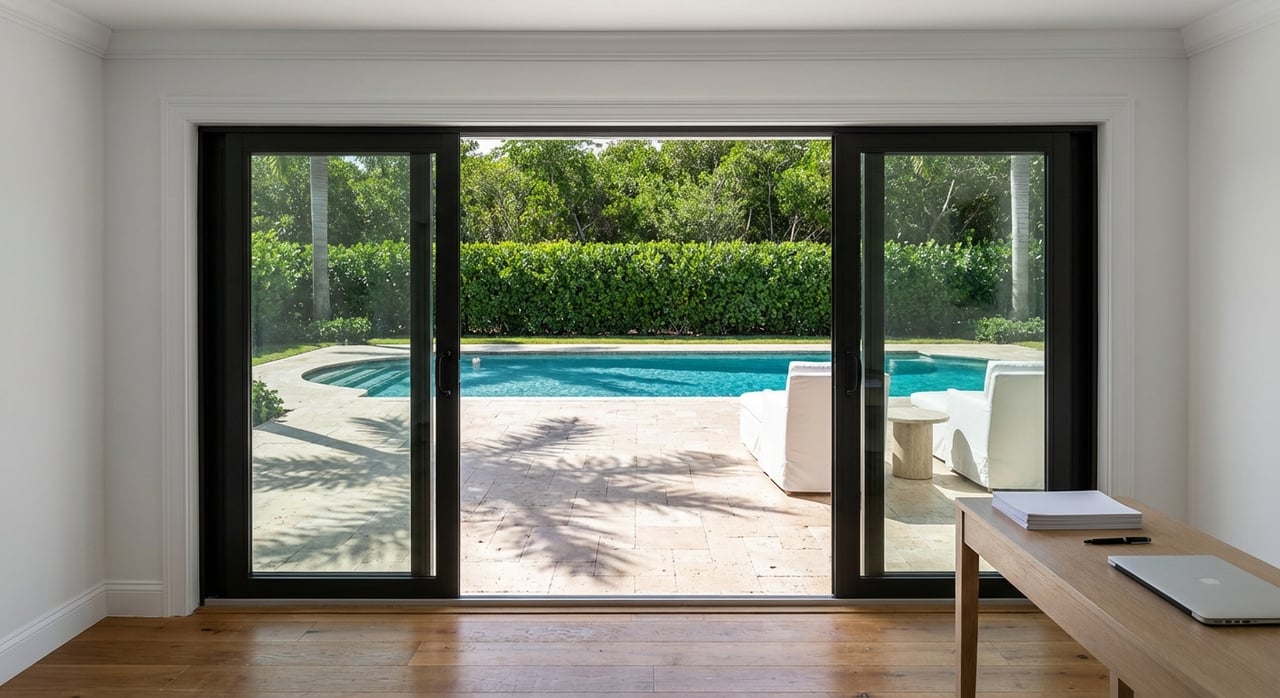
A single-family property gives you full discretion over outdoor living: private pools, gardens, outdoor kitchens, and bespoke landscape design, subject to local codes. You choose your contractors and schedule. This independence comes with higher operational complexity and cost, especially on the waterfront.
Insurance and resilience
Insurance needs differ by structure type and location.
- Condos: The association’s master policy typically covers the building’s common elements and exterior. You carry an HO-6 policy to cover interior finishes, personal property, and loss assessment coverage.
- Single-family: You will likely need dwelling coverage for wind and hurricane, plus flood insurance if required by your lender based on FEMA flood zones. Contents coverage is separate.
Jupiter Island is low-lying and exposed to Atlantic storms. Review FEMA flood maps, elevation certificates, and any wind mitigation features like impact-rated windows or elevated construction. Ask insurance brokers who know Martin County to estimate premiums and deductibles. Documented resilience measures and wind mitigation credits can influence costs.
Resale and liquidity
Single-family estates on Jupiter Island often carry higher individual values and attract a focused, sometimes international buyer pool. Properly presented oceanfront or Intracoastal estates can command strong attention, though the highest price points may require longer marketing times.
Condos may reach a broader buyer pool at lower entry prices, including seasonal residents. On Jupiter Island, condo inventory is limited, so resale depends heavily on building location, financial health, and rental policy. For either property type, association strength, seawall condition, elevation, and recent improvements affect buyer confidence and days on market.
Regulations and approvals
Before you renovate or build, check zoning, setbacks, and coastal construction restrictions with the Town of Jupiter Island and Martin County. Private marine construction usually requires permits, and state environmental rules protect seagrass and dunes. If you are considering a condo, review the declaration, bylaws, budgets, reserve studies, recent inspection reports, and minutes in detail. Florida condominium statutes set specific standards for governance and disclosures. Requirements and best practices evolve, so confirm current rules with local authorities.
Buyer checklist: due diligence steps
Use this list to get clear on cost, risk, and fit before you make an offer.
- Association documents (condo or HOA): Budget, reserves, minutes for the past 12–24 months, insurance certificates, rules for rentals and pets, litigation disclosures, and capital project plans.
- Insurance quotes: Request preliminary quotes for dwelling or HO-6, wind, and flood coverage from local brokers who know Jupiter Island exposure.
- Elevation and flood data: Obtain an elevation certificate and review FEMA flood zones and Base Flood Elevation to estimate flood insurance requirements.
- Waterfront inspections: For single-family waterfront, ask for seawall and dock condition reports and consider a marine survey for the dock.
- Building and pest inspections: Order standard inspections, plus specialty evaluations for unique structures or older buildings.
- Survey and setbacks: Get a current survey showing structures relative to setbacks and dunes.
- Permitting history: Review recent permits for coastal resilience improvements like pilings, impact windows, or elevation work.
- Title and easements: Verify recorded easements, beach access rights, or restrictions.
- Professional guidance: Engage a real estate attorney experienced in Florida coastal property, consult county planners or building officials for code questions, retain a licensed marine contractor for dock issues, and consult a local insurance broker.
Who each option fits
- Full-time privacy seeker: A single-family oceanfront or Intracoastal estate offers maximum control, customization, and private docks where allowed. Expect higher maintenance and insurance complexity in return.
- Seasonal or low-maintenance buyer: A condo or townhome on or near the Island offers amenities and simpler upkeep. You trade some privacy for convenience and HOA-supported services.
- Avid boater: An Intracoastal estate with a private dock gives immediate access and the fewest limits. A condo with assigned slips can work if size and availability match your vessel.
- Investor or lower entry point: A condo on or near Jupiter Island offers Island lifestyle access at a lower entry price than a large estate, with building rules and financial strength as key variables.
Next steps
If you are comparing specific properties, your smartest move is to align lifestyle first, then validate maintenance, insurance, marine permitting, and elevation details before you negotiate. That process protects your time and capital while positioning you to act quickly when the right property appears.
For a curated look at on- and off-market options and a clear plan for due diligence, schedule a conversation with Carla Christenson. As a trusted coastal advisor backed by Sotheby’s global platform, Carla pairs deep local knowledge with discreet, white-glove service to help you buy with confidence on Jupiter Island.
FAQs
What do condo fees on Jupiter Island usually cover?
- Most associations include exterior building maintenance, common-area landscaping, amenities, and master insurance for common elements; you cover your interior and an HO-6 policy.
How does insurance differ for a condo vs a single-family home on Jupiter Island?
- Condos use a master policy for the building, while you carry an HO-6 for interiors and loss assessment; single-family homes typically require dwelling, wind, and flood coverage separately.
What should a boater check before buying on Jupiter Island?
- Verify private vs shared dock rights, slip size and availability, seawall and dock condition, and required permits through county and state agencies, plus navigation through Jupiter Inlet.
How exposed are oceanfront properties to storms and erosion on Jupiter Island?
- Oceanfront parcels face higher wave energy and storm surge; review elevation, dune systems, historical erosion, and resilience features like impact windows and elevated construction.
Is it easier to resell a condo or a single-family estate on Jupiter Island?
- It depends on inventory, building health, and price point; estates attract specialized buyers and can take longer at the top end, while condos depend on location and association strength.
Are there condos directly on Jupiter Island or only nearby?
- Condo options exist on the Island but are limited; some buyers consider nearby mainland alternatives for more selection with a similar low-maintenance lifestyle.
What due diligence should every buyer complete before closing on Jupiter Island?
- Gather association documents, insurance quotes, elevation certificates, inspections, survey, permitting history, and title details, and consult local attorneys, planners, marine contractors, and insurance brokers.