Thinking about life behind the gates of a Palm Beach Gardens country club? You want beautiful golf, lively socials, and easy lock-and-leave living, but you also want to be smart about memberships, fees, and resale. This guide breaks down how clubs work, what homes you’ll find, and how to choose the right fit in communities like PGA National, BallenIsles, Old Palm, Frenchman’s Creek, Mirasol, and nearby Ibis. You’ll walk away with a clear checklist and confident next steps. Let’s dive in.
Country club landscape in Palm Beach Gardens
Palm Beach Gardens sits at the heart of one of Florida’s strongest golf and club markets. You’ll find a spectrum of experiences, from nationally recognized venues to ultra-private enclaves and amenity-rich master‑planned neighborhoods.
- PGA National is known as a tournament venue with resort access and residential neighborhoods around the courses.
- BallenIsles, Old Palm, Frenchman’s Creek, and Mirasol offer private club environments with gated neighborhoods and robust amenities.
- Ibis, just next door in West Palm Beach, often appears on buyer shortlists when comparing regional options.
Clubs typically align with one of these models:
- Private equity clubs where you purchase equity at initiation and may have voting rights.
- Non‑equity private clubs with initiation fees and dues, but no member equity.
- Resort clubs that allow resort guests or limited non‑resident tiers.
- HOA or master‑planned community clubs where facilities are linked to the HOA or a third‑party operator.
Each model creates a different lifestyle and cost structure, so clarity on the basics helps you narrow fast.
Membership models and what to expect
Every club sets its own policies, but most include a mix of initiation fees, monthly or annual dues, and potential food and beverage minimums. Some also levy capital assessments for major improvements. Transfer fees may apply when a property sells.
Exact dollar amounts change frequently. Initiation fees can range widely, and dues vary by membership type. Always request the current membership packet and fee schedule directly from the club before you make assumptions.
Mandatory vs. optional membership
In some communities, membership is mandatory for homeowners. In others, club membership is a separate contract and not automatic with a home purchase. Policies vary by club and by membership tier. Confirm whether membership is required before you make an offer.
Trial memberships, waitlists, and guest access
Many clubs offer trial memberships or maintain waitlists for popular categories. Ask about timing, guest privileges, and any reciprocal agreements with clubs elsewhere. If you plan to host family or business colleagues, these details matter.
Transferability and resale
Some memberships can transfer with the sale of a property, subject to club rules. Others require a separate transfer or resale process. If you are buying with resale in mind, clarify transfer rules, any resale fees, and whether your buyer would need to join a waitlist.
Homes and architecture
Country‑club neighborhoods in Palm Beach Gardens offer a wide range of homes and styles:
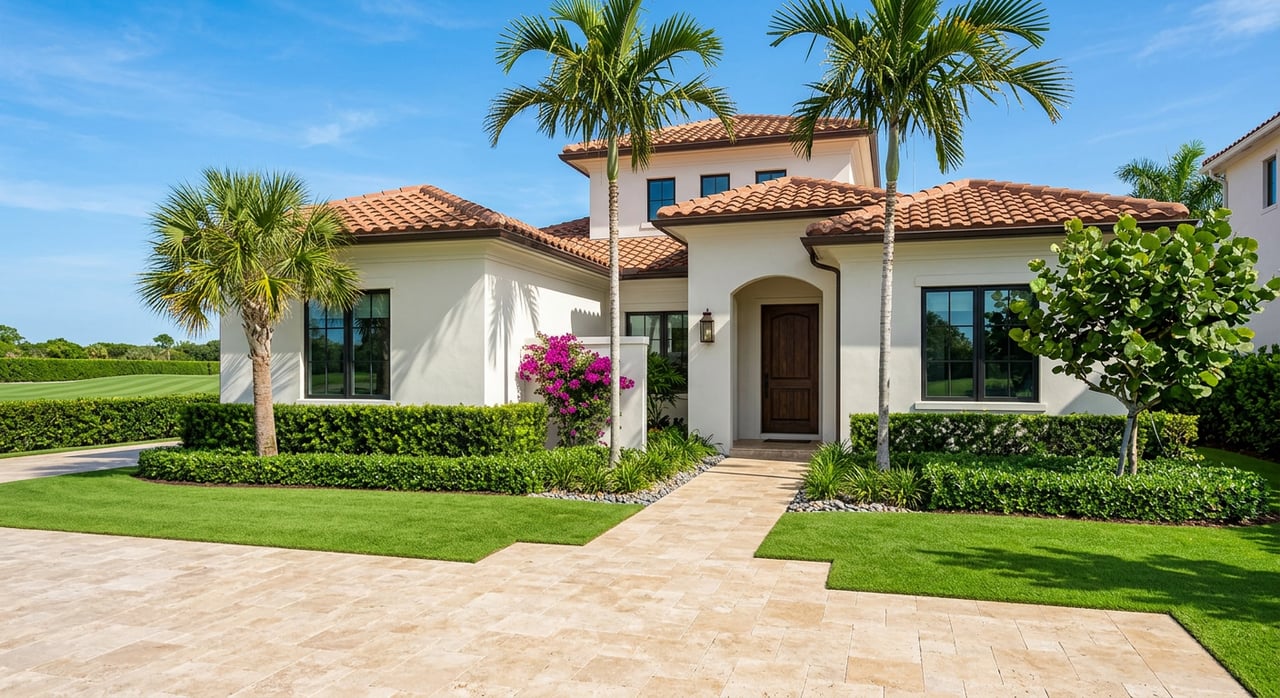
- Architectural styles include Mediterranean or Spanish Revival, contemporary and modern designs, and Florida ranch or neo‑colonial. Newer custom estates often lean modern with clean lines.
- Lot sizes vary from compact golf‑course parcels to larger estate lots in the most exclusive enclaves.
- Many communities grew in phases from the 1980s through the 2010s, with select newer luxury enclaves built to higher contemporary standards.
- Density is typically lower inside gated club neighborhoods, while master‑planned areas may have clusters of homes near parks and services.
Condos and townhomes linked to club facilities appeal to seasonal owners who value lock‑and‑leave convenience. If you plan to finance, ask your lender about any condo approval requirements that could affect certain loan programs.
Amenities and lifestyle fit
Clubs differ in subtle ways that shape your day‑to‑day living. Focus on how you want to spend your time:
- Golf: Consider the number of holes, practice facilities, and competitive calendars. Serious players often prioritize strong instruction and short‑game areas.
- Tennis and pickleball: Look at court surfaces, the number of courts, and league or clinic offerings.
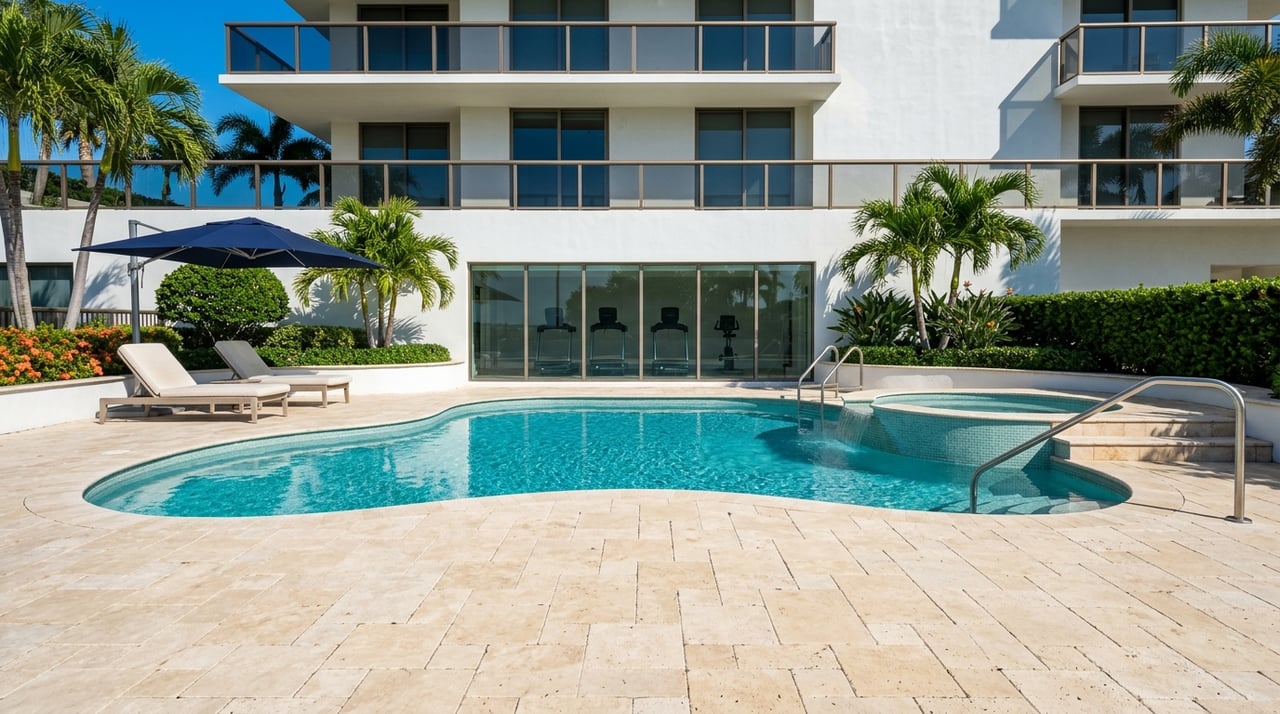
- Fitness and wellness: Evaluate the fitness center, class schedule, spa services, and wellness programming.
- Pools and aquatics: Ask about lap lanes, family pools, and supervised junior programs.
- Dining and social life: Review restaurant variety, event spaces, and the social calendar, including interest clubs.
- Family programming: Look for camps and junior golf or tennis if you want age‑appropriate activities.
- Concierge and estate services: Some communities coordinate housekeeping, in‑home services, and private events.
Matching communities to priorities
Use your lifestyle priorities to shortlist clubs and neighborhoods:
- Competitive golfer: Golf‑centric communities with strong practice facilities and active tournament schedules can be a fit. Consider options like Old Palm or Mirasol.
- Family buyer: Amenity‑focused, master‑planned environments with junior programs and varied recreation often work well. Look at PGA National, BallenIsles, or similar communities.
- Seasonal owner: Lock‑and‑leave condos or townhomes near the club, along with active tennis and fitness, may be ideal. PGA National and Ibis often appear in these searches.
- Ultra‑luxury buyer: Private, gated estates with larger lots and elevated services offer maximum discretion and comfort. Communities like Old Palm or Frenchman’s Creek frequently meet this brief.
These are starting points rather than absolutes. Club policies and offerings evolve, so verify current details with each membership office.
Costs beyond the list price
In addition to the purchase price, plan for the full carrying costs of club living:
- Initiation fee and dues. One‑time initiation plus monthly or annual dues for operations.
- Food and beverage minimums. Common in private clubs and billed monthly or seasonally.
- Capital assessments. Periodic or special assessments for renovations or expansions.
- Transfer fees. Possible costs to transfer a membership when you sell.
Ask for written details on what is covered by dues versus what is billed separately. Review the club’s bylaws and financials to understand how the board manages capital projects and reserves.
Financing, insurance, and local risk
Florida transactions involve a few coastal realities that are important to plan around:
- Mortgage underwriting: Lenders review HOA and condo association budgets and reserves. Some condo associations may not qualify for certain loan programs unless approved.
- Insurance: Homeowner’s insurance will reflect replacement costs and hurricane deductibles. If the property is in a designated flood zone, a separate flood policy could be required.
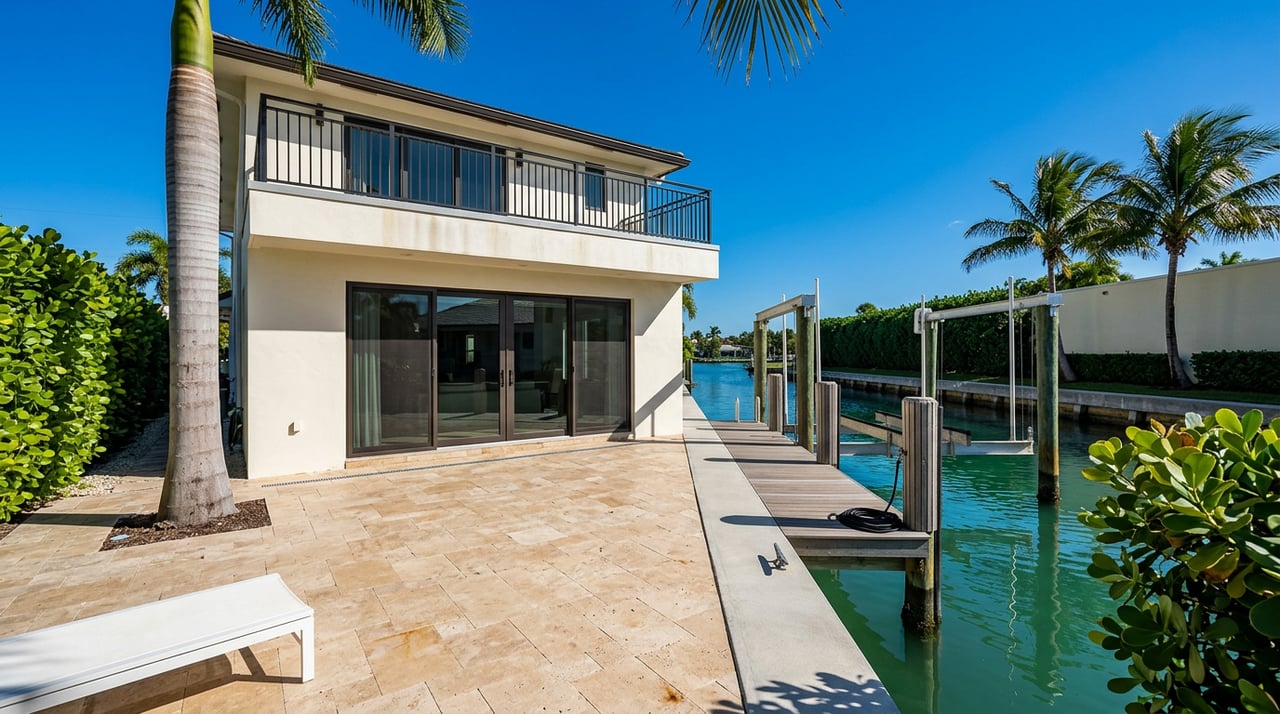
- Flood risk: Ask for a flood‑zone determination and, if available, an elevation certificate for the property. This can influence insurance pricing.
- Storm readiness: Impact glass and shutters are common in the region. Landscaping plans often favor salt‑tolerant plantings and irrigation systems.
By addressing these items early, you avoid surprises during underwriting or after closing.
Buyer due diligence checklist
Gather these documents and answers as part of your offer and inspection period:
- Current club membership packet, including initiation fees, dues, transfer rules, waitlist policies, and guest privileges.
- HOA or condo resale certificate and budget for the past 12 to 24 months.
- Reserve study and any notices of capital projects or assessments.
- Recent comparable sales inside the community and nearby non‑club homes.
- Course maintenance and public tournament schedules that may affect access or noise.
- Flood‑zone determination and any elevation certificate.
- Insurance quotes for homeowner and flood policies early in the process.
- Rental restrictions and tenant access policies if you plan to lease.
- Any deed restrictions and junior member age rules that affect your family.
Resale and investment outlook
Ultra‑exclusive communities can deliver privacy and prestige, but they may also have smaller buyer pools, which can lengthen marketing time. Amenity‑rich master‑planned communities often draw broader demand. Value tends to follow a few key drivers: golf course quality, club reputation, water or fairway views, proximity to retail and medical services, and the strength of HOA and club governance.
If you plan to rent, review restrictions carefully. Some clubs have strict policies that limit rental frequency or tenant access to amenities. More flexible rules can support stronger rental income but may also influence neighborhood dynamics.
How a local advisor helps you compare
Choosing the right club is personal. You deserve a clear, confidential process that weighs your lifestyle, your budget, and your long‑term goals. A seasoned local advisor can coordinate with membership offices, HOA managers, lenders, insurance brokers, and attorneys, then synthesize the findings so you can decide with confidence.
Carla Christenson delivers a boutique senior‑advisor model supported by One Sotheby’s International Realty’s global platform. You get white‑glove guidance, thoughtful pricing and negotiation strategy, and elevated marketing when it is time to sell. If you are buying, you receive curated options, context on each club’s culture and costs, and introductions to the right decision‑makers so you can verify details before you commit.
Ready to explore the clubs and communities that match your lifestyle? Connect with Carla Christenson for a discreet, no‑pressure consultation.
FAQs
Do I have to join a country club to buy a home in Palm Beach Gardens?
- It depends on the community; some have mandatory membership while others sell homes independently of club contracts. Verify the policy with the club and HOA before you offer.
What types of memberships do Palm Beach Gardens clubs offer?
- Most clubs offer categories such as golf, social, and family, each with different access to golf, racquets, fitness, dining, and events; ask for the current membership packet for specifics.
How much are initiation fees and monthly dues at Palm Beach Gardens clubs?
- Amounts vary by club and change often; request the latest fee schedule and ask about food and beverage minimums, capital assessments, and any transfer fees.
Are short‑term rentals allowed in country‑club communities?
- Many clubs and HOAs limit rental frequency or require approvals; confirm written rental rules and whether tenants can access club amenities.
How do hurricane and flood risks affect costs in Palm Beach County?
- Insurance may include hurricane deductibles and, if in a flood zone, a separate flood policy; ask for a flood‑zone determination, elevation data, and early insurance quotes.
Can I transfer my club membership when I sell the home?
- Some memberships can transfer subject to club rules, while others require a separate transfer process or buyer approval; review the bylaws and transfer policy in writing.
What is the best way to compare clubs before I buy?
- Tour each club, request membership packets and fee schedules, review HOA budgets and reserves, and align offerings with your lifestyle priorities such as golf, racquets, family programming, or privacy.