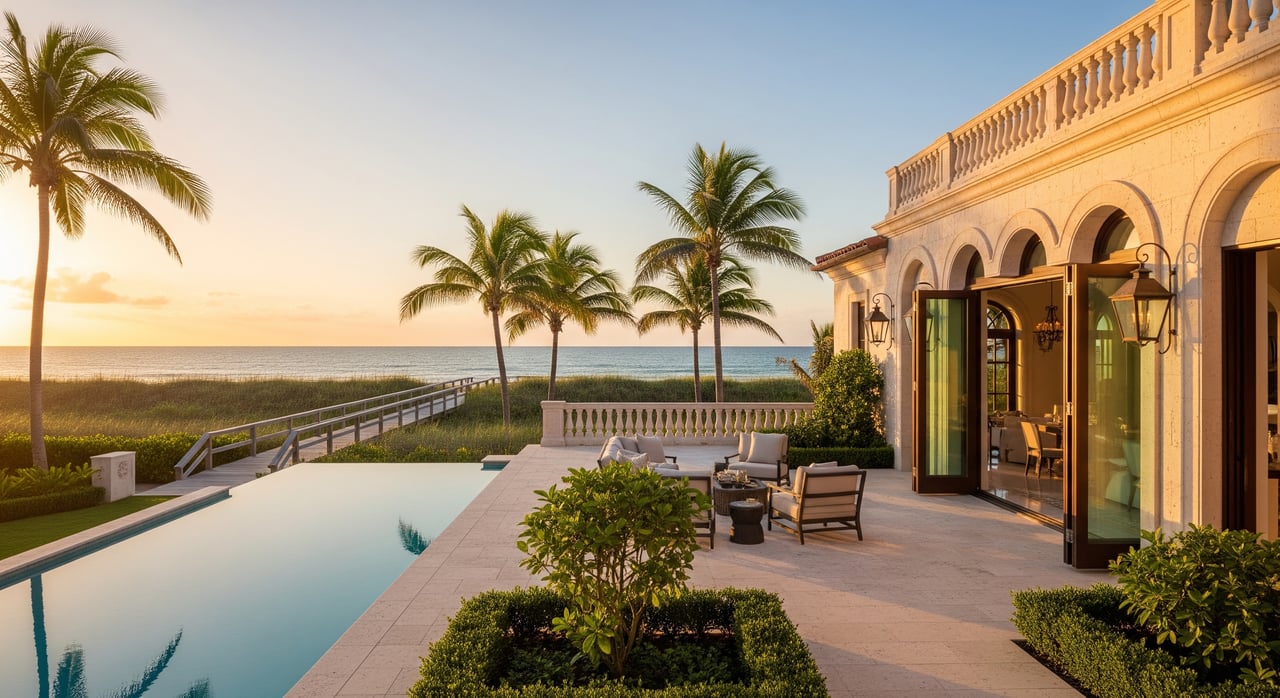
What really sets one Palm Beach oceanfront home apart from another? When you shop the island, price gaps can seem puzzling at first glance. You want clarity before you buy or sell, especially when every decision carries long-term impact. This guide breaks down the specific elements that define value on Palm Beach Island so you can move forward with confidence. Let’s dive in.
The scarcity that sets the market
Palm Beach Island is a narrow barrier island with very limited oceanfront land. That scarcity is a primary driver of price. Ultra-prime properties are pursued by global buyers, so uniqueness, privacy, and pedigree often matter more than replacement cost.
Because true oceanfront trades infrequently, there are fewer clean comparables. Appraisals and pricing lean on site-specific attributes and precedent sales of non-identical trophy homes. The broader West Palm Beach–Boca Raton–Delray Beach metro adds market depth, but island oceanfront remains its own category with tighter inventory and different liquidity patterns.
Land first: frontage, depth, and orientation
At the top end, land factors often outshine interior square footage. The shape, position, and natural qualities of the lot set the value foundation.
Beachfront frontage and lot geometry
- Linear beachfront frontage is a headline metric. More linear feet usually increase privacy, design flexibility, and perceived prestige.
- Lot depth affects how you place living areas farther from the dune line, create deeper setbacks, and design wider amenity runs without losing view corridors.
- Orientation matters. True eastern exposure typically maximizes ocean views and sunrise light. Subtle shifts influence wind patterns and overall experience.
Views that hold value
- Unobstructed long-shore vistas and broad out-to-sea views both command premiums. The key is sweep and lack of interruption.
- Palm Beach’s building context reduces some view-risk compared to dense urban beaches, but neighbor proximity and allowed height still influence view quality.
Elevation and dune health
- Natural elevation is a major value factor because it improves resilience to storm surge and sea-level rise. Higher lots may also lower insurance costs.
- Wide, vegetated dunes add protection and create a private beach character. Degraded dunes can depress value until restored.
Seawalls and beach rights
- Deeded private beach access increases exclusivity. Public access easements that cross a property reduce privacy and can affect pricing.
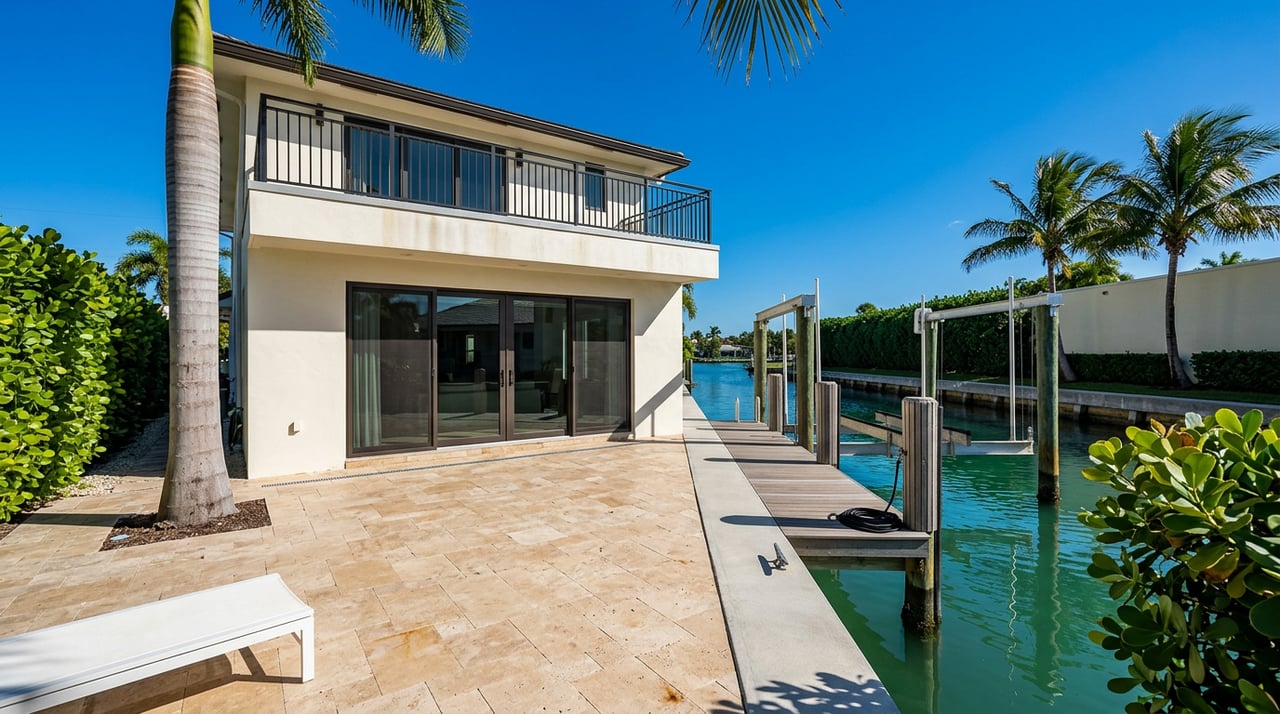
- The condition and permitting status of seawalls or bulkheads are critical. A sound, code-compliant system supports value. Failing or unpermitted structures can be expensive to address.
Privacy and site planning
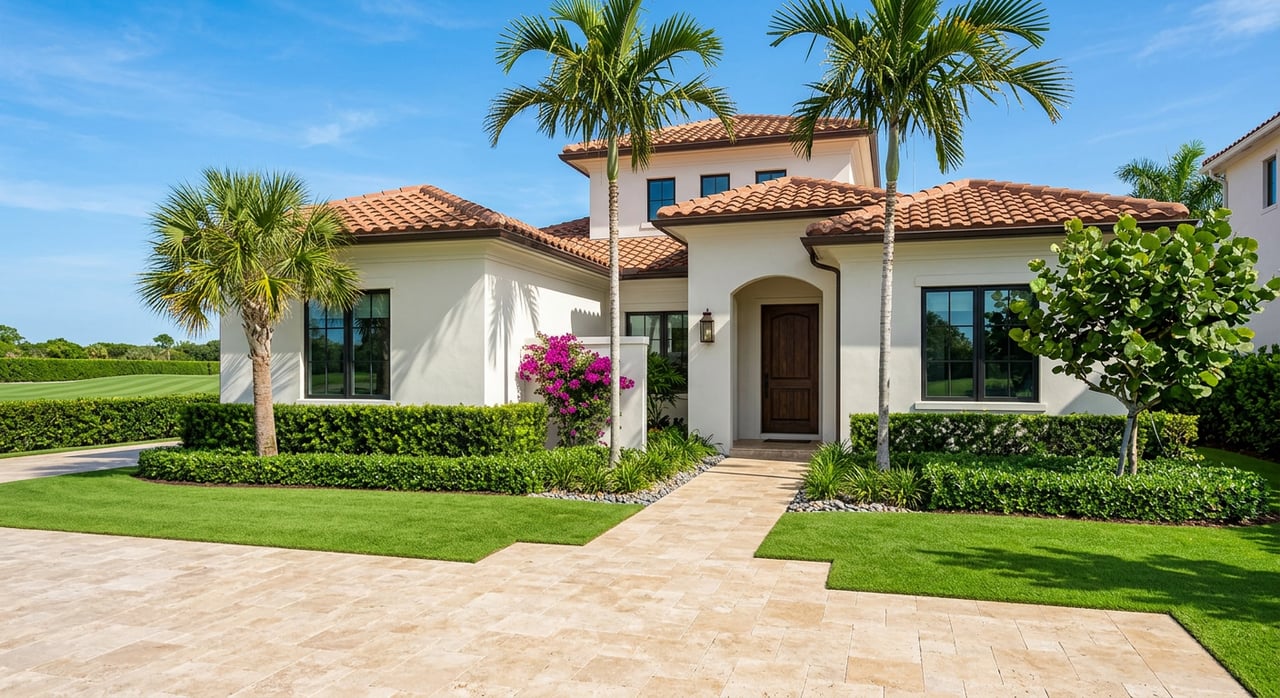
- Generous setbacks, mature landscaping, and thoughtful arrival sequences matter to luxury buyers. Gated drives, guest and staff facilities, and service entrances add day-to-day ease.
- Proximity to public beach access points or busy amenities can trade convenience for privacy. Preferences vary by buyer.
Walkability to Worth Avenue
- For many, walkable access to Worth Avenue and the town center is a clear lifestyle premium. Being close to shopping, dining, and cultural venues improves enjoyment and can support resale. Others prefer more distance for seclusion. The right balance depends on your goals.
Architectural pedigree and finishes
- Notable architects, historically significant estates, and well-documented provenance carry emotional and market value. Scarcity and collectability amplify pricing power.
- Marine-grade systems, custom millwork, and high-caliber finishes extend useful life and reduce near-term capital outlay.
Amenities and serviceability
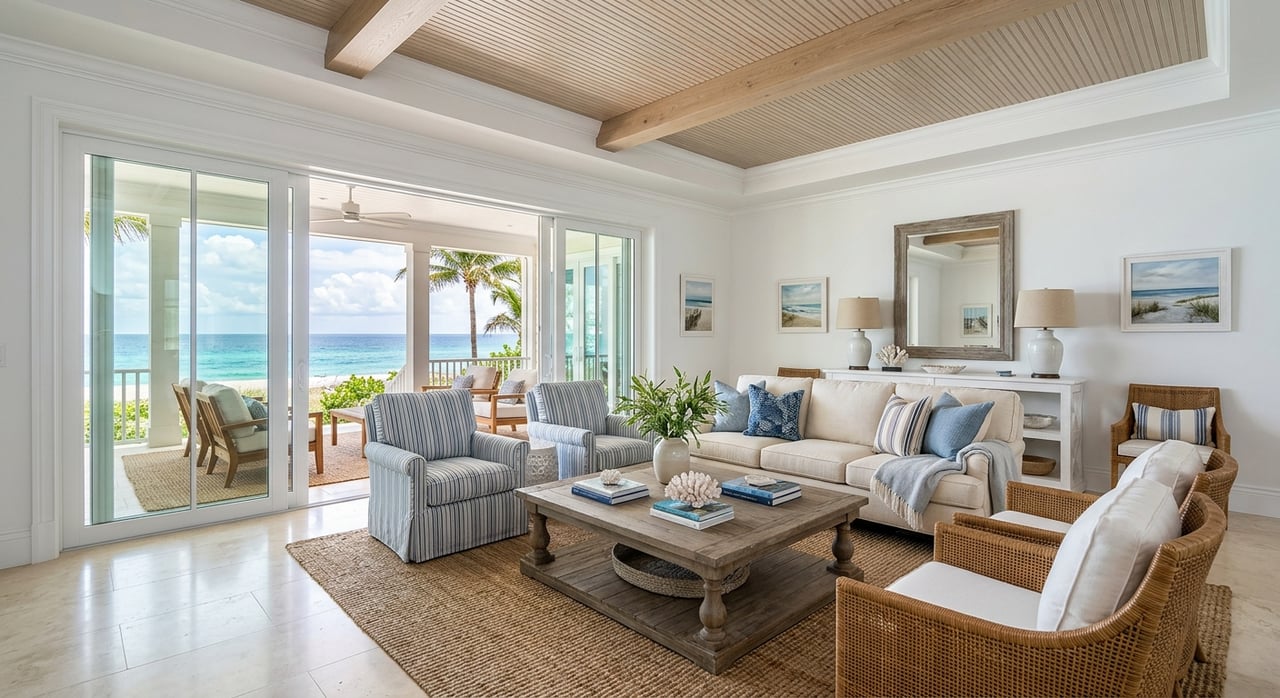
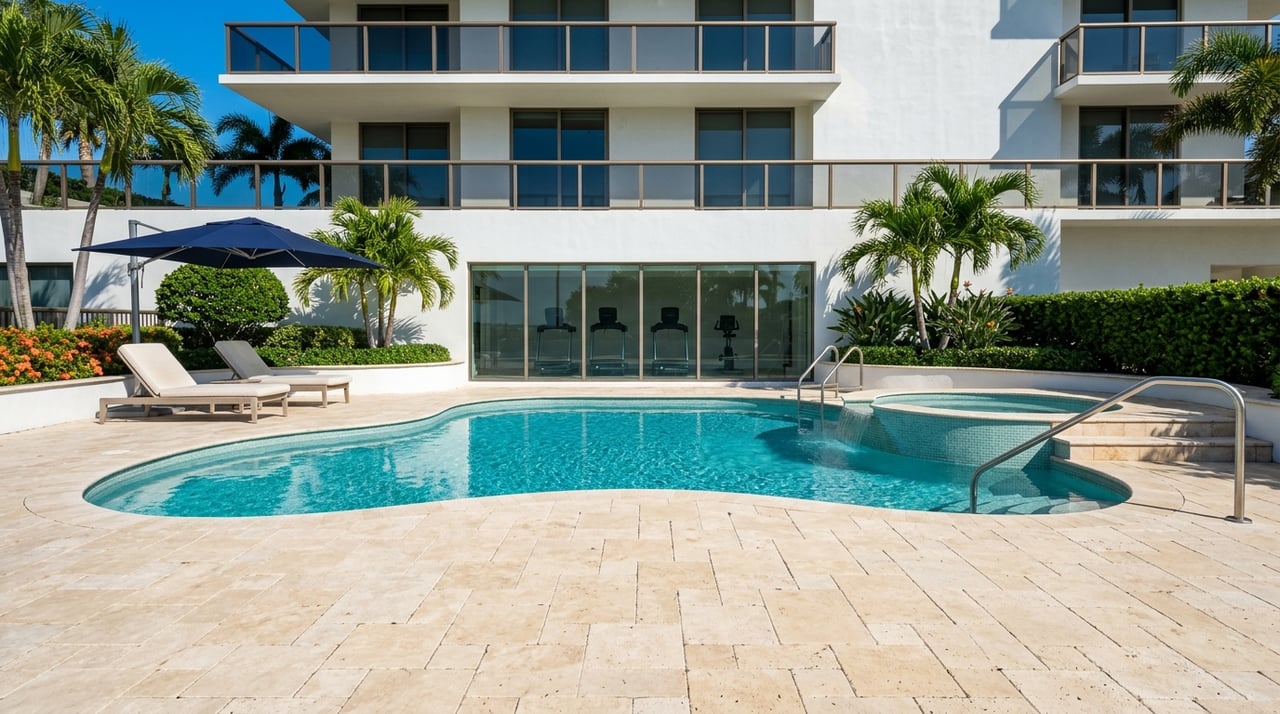
- Oceanfront terraces, pool placement that preserves views, guest houses, staff quarters, backup power, and climate-resilient mechanicals all influence value.
- Properties that are easier to operate, service, and secure are more appealing for long-term ownership.
Risk, rules, and carrying costs
Regulatory and environmental details shape both pricing and long-term ownership experience.
Town regulations and permits
- The Town of Palm Beach sets setbacks, heights, design review, and shoreline standards. These rules define what you can build or renovate and how long approvals may take.
- Historic overlays or design review can extend timelines. Understand the path before you commit to a redevelopment plan.
FEMA flood zones and elevation certificates
- FEMA flood maps guide minimum elevations and insurance needs. Base Flood Elevation changes can affect construction cost and insurability.
- An Elevation Certificate is essential for underwriting and for verifying compliance with local elevation requirements.
Sea-level rise and future resilience
- Regional projections for sea-level rise and storm surge influence how buyers view long-term suitability. Elevated finished floors, dune reinforcement, and resilient infrastructure help preserve value but can add upfront cost.
Beach nourishment and public works
- County and state nourishment programs help maintain beach width and protective dunes. The presence, funding, and schedule of these programs support long-term beachfront stability.
Insurance and insurability
- Florida’s coastal insurance market can be volatile. Availability and pricing for homeowner, windstorm, and flood coverage influence carrying costs and buyer demand.
- Some owners reduce premiums through higher elevation, mitigation features, or policy structuring that matches their risk tolerance.
Maintenance and capital planning
- Salt air accelerates wear on roofs, windows, metals, and mechanical systems. Dune and beach upkeep add to operating costs.
- Pricing often reflects current upgrade status and anticipated capital items like seawall work or dune restoration.
How value comes together
Appraisers and sophisticated buyers start with land scarcity and beachfront frontage to set a baseline. They then adjust for elevation and BFE compliance, seawall condition, deeded beach rights, view quality, architecture and pedigree, amenities, privacy, proximity to Worth Avenue, and regulatory constraints. Because perfect comparables are rare at the trophy level, professionals use paired adjustments, precedent sales, and cost approaches for replacement or redevelopment.
Key value multipliers
- Deeded private beach access with wide, unobstructed frontage
- Elevated lots and permitted finished-floor heights above BFE
- Architectural pedigree or landmark status in market-acceptable condition
- Walkable proximity to Worth Avenue and town amenities
Liquidity and exit planning
- Ultra-prime properties can see longer marketing periods. Price discovery may require a phased strategy targeted to qualified domestic and international buyers.
- Sellers benefit from addressing known issues early. Proactive work on seawalls, dunes, roofs, or major systems broadens the buyer pool and strengthens net proceeds.
Buyer due diligence checklist
Use this focused checklist to reduce surprises and protect your position.
- Title and deed review to confirm beach rights, easements, and restrictions
- Current survey to verify beachfront boundaries and any public access easements
- Elevation Certificate and FEMA flood zone confirmation
- Seawall or bulkhead inspection, permits, age, and maintenance records
- Review of any historic designations or design review overlays
- Building permits, COs, and a check for unpermitted work
- Structural and systems inspections with coastal expertise
- Environmental reviews where relevant to coastal restoration areas
- Insurance quotes for homeowner, wind, and flood from specialized carriers
- Town rules on rentals, guest accommodations, and short-term leasing if relevant
- Beach nourishment history and planned projects in the immediate area
Seller playbook for top results
You create value before you launch. Start with a candid assessment of land assets, elevation, seawall, dune condition, and permits. Address high-impact repairs and assemble documentation buyers need to act with speed.
Price with a land-first lens. Prioritize frontage, elevation, view quality, and legal beach rights, then adjust for architecture, condition, and amenities. Trophy property pricing works best with a clear narrative that explains why your site is unique.
Present the home with polish. Cinematic marketing, bespoke property pages, and curated syndication reach qualified buyers who value provenance and privacy. If your estate is truly unique, you may also consider alternative pathways like private sale or auction channels that align with select properties.
Bringing it all together
On Palm Beach Island, two similar-size homes can trade at very different numbers because the land story is not the same. Frontage, elevation, dune integrity, beach rights, views, and walkability to the town fabric are the levers that move price and future demand. When you evaluate or prepare a home with these factors in mind, you make smarter decisions and protect long-term value.
If you are weighing your next move on Palm Beach Island or along the Jupiter–Palm Beach corridor, you deserve discreet, senior-level guidance and global reach. For a focused valuation or a curated search, connect with Carla Christenson to discuss your goals.
FAQs
How do frontage and lot depth affect Palm Beach pricing?
- Greater linear beachfront frontage and deeper lots increase privacy, design flexibility, and view quality, which typically command higher prices.
Why does elevation matter for oceanfront homes on the island?
- Higher natural elevation improves resilience to storm surge and sea-level rise, can support insurance availability, and often earns a market premium.
How does walkability to Worth Avenue influence value?
- Many buyers pay a lifestyle premium for walkable access to shops, dining, and culture, which can also support resale desirability.
What should I review before buying a Palm Beach oceanfront home?
- Prioritize title and survey, Elevation Certificate, FEMA flood zone, seawall condition and permits, insurance quotes, and local permitting constraints.
Do architectural pedigree and historic status increase value?
- Yes. Notable design and documented provenance add emotional and market value, provided condition aligns with current buyer preferences.