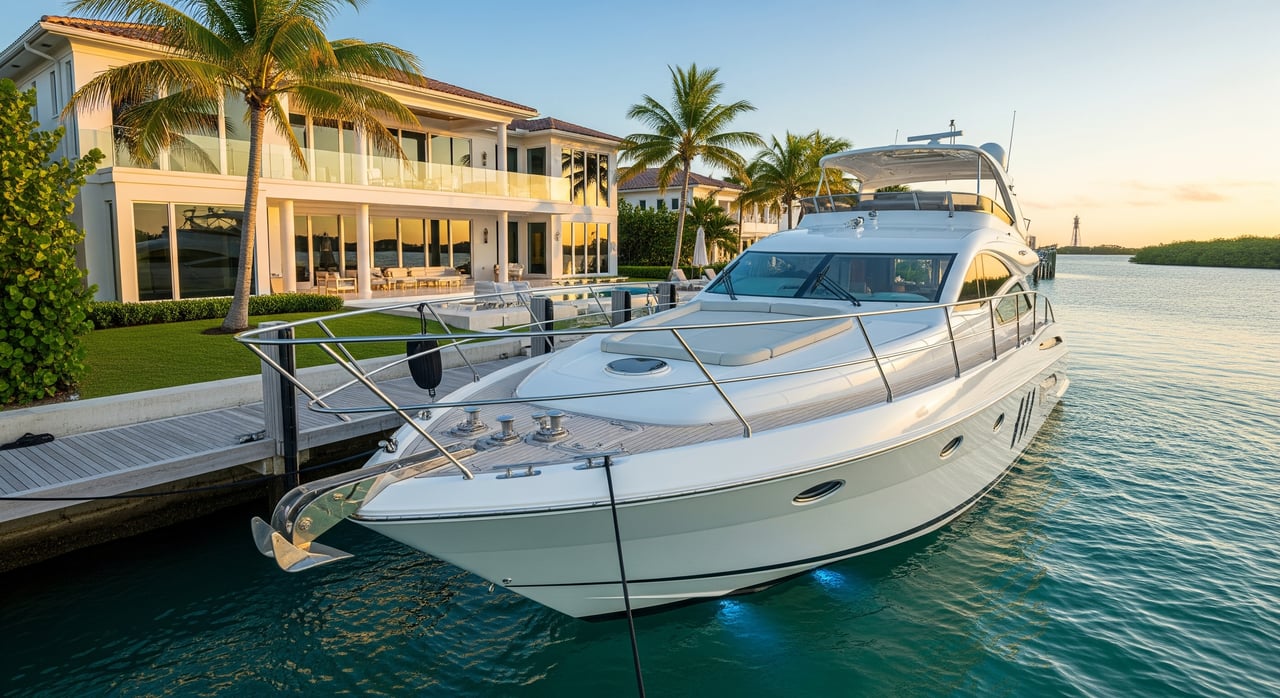
Picture this: you step onto your dock at sunrise, idle along the Intracoastal, then point the bow toward blue water for a quick run offshore. If you are moving to Jupiter for a true boating lifestyle, you want more than pretty views. You need the right access, the right dock, and a home that supports how you actually boat. This guide shows you how Jupiter’s waterways work, what marina and dock options you will find, how to match vessel size to water depth, and what to check before you buy. Let’s dive in.
Why Jupiter is a boater’s haven
Jupiter sits where the Loxahatchee River and the Intracoastal Waterway meet the Atlantic through Jupiter Inlet. That mix gives you scenic river cruising, protected ICW runs, and direct ocean access. The inlet is a working, tidal pass with jetties, shoaling, and strong currents at times, so planning matters.
For safe trip timing, consult official resources. Use NOAA tide and current predictions and confirm routes on NOAA nautical charts. Before every run, check the U.S. Coast Guard Local Notices to Mariners for updates on shifting channels, aids to navigation, or temporary hazards.
Marina and storage options
Full‑service marinas and yacht clubs
Full‑service facilities typically offer fuel, pump‑out, haul‑out, and marine trades like electricians and riggers. Private yacht clubs and member marinas often accommodate deeper drafts and larger slips, with social programs for active boaters. Expect membership rules and, at times, waitlists.
Community and condo marinas
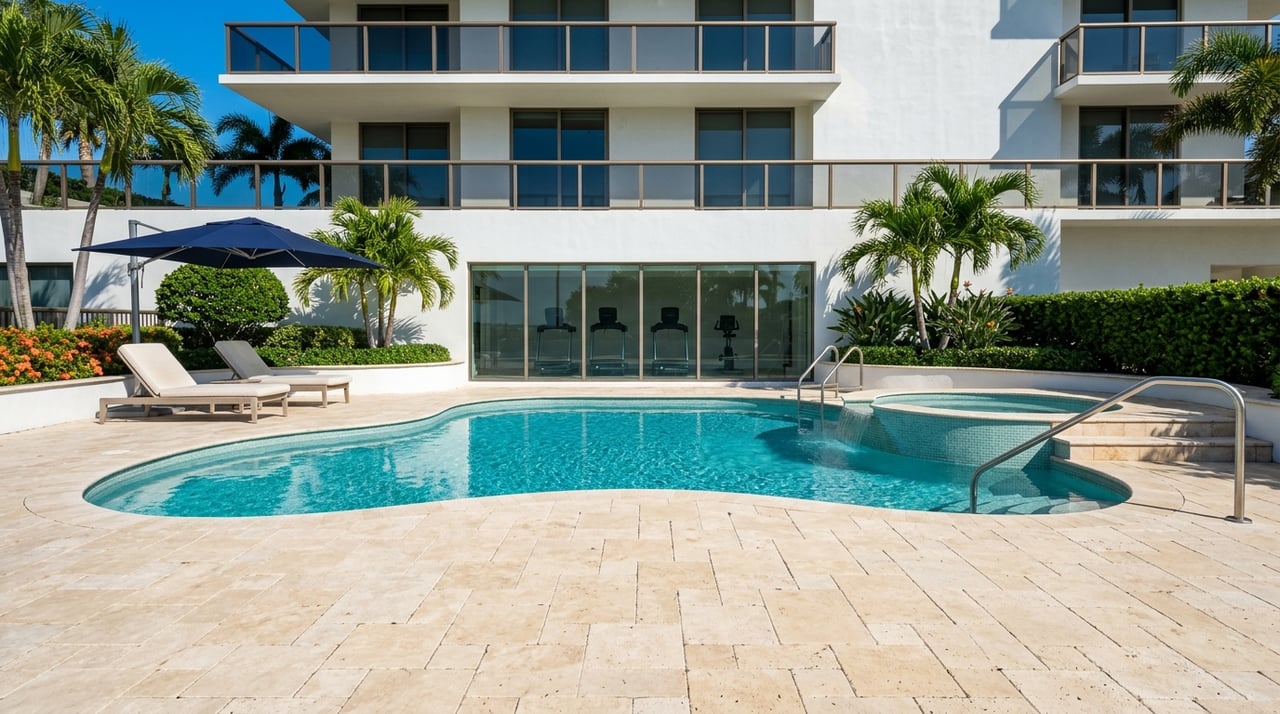
Many waterfront condominiums and HOA communities include shared marinas or assigned slips. Rules vary on vessel length, beam, and lift installations. Verify slip specs and any waitlist or residency requirements before you buy.
Dry stack and public ramps
Dry stack storage is popular for center consoles and runabouts. It keeps hulls clean, reduces maintenance, and offers quick launches. Trailer‑boat owners should review Palm Beach County boat ramp listings for locations and access near target neighborhoods.
Private docks at single‑family homes
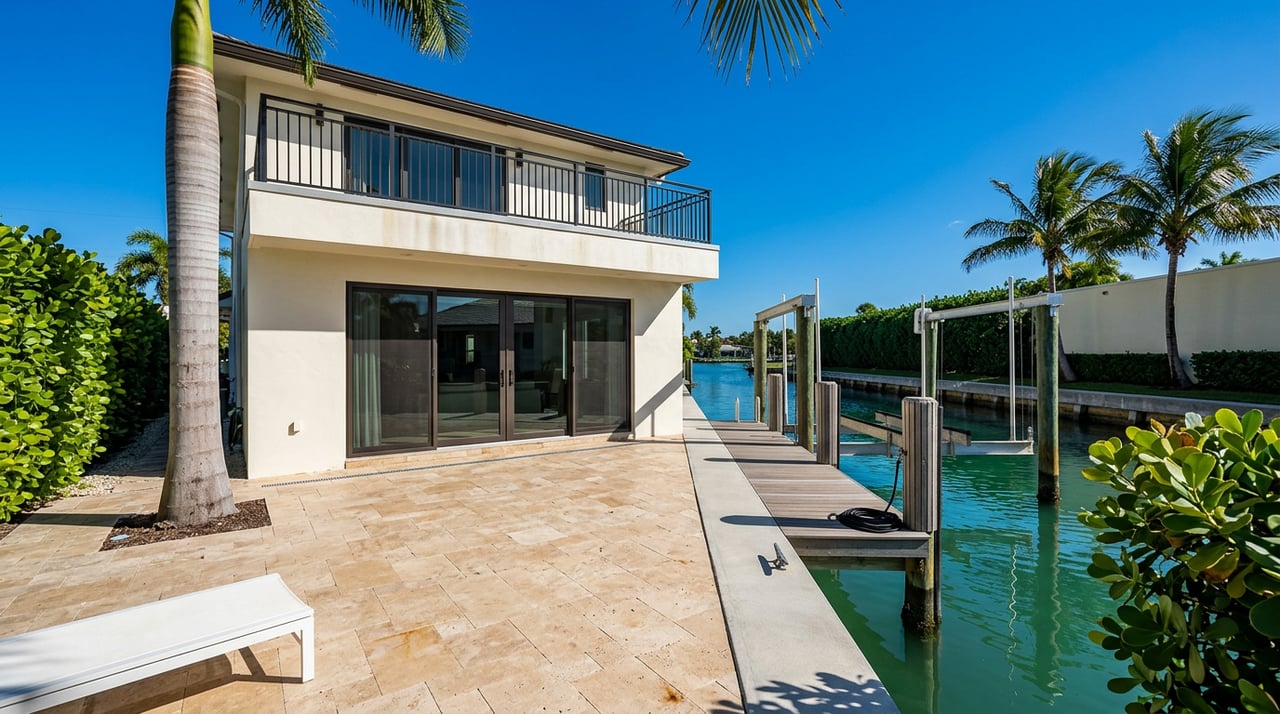
You will see a mix of fixed and floating docks, with boat lifts common for 20 to 40 foot vessels. Many canal and cove homes have concrete seawalls. A professional marine inspection should confirm piling integrity, dock structure, utilities, and seawall condition. Depth at mean low water is the key data point when matching a boat to a property.
Match your boat to Jupiter waters
Center‑console fishing boats from 20 to 40 feet are widespread for nearshore and offshore runs. Express and sport cruisers in the 30 to 50 foot range are common for family cruising and weekend trips. Larger sportfishing yachts, generally 40 to 70 plus feet, need deep‑water slips and turning basins that are limited to select facilities.
Draft matters. Some canal systems and river bends run shallow at lower tides. Always confirm depth at mean low water rather than relying on aerial photos. Sailors should also check bridge clearances on the ICW and ensure dock heights allow safe boarding.
Pick the right waterfront home
Inlet and ocean‑access areas
- Pros: Fastest run to offshore fishing. Great for quick windows of good weather.
- Cons: More current and exposure. Docks may require deeper pilings and more maintenance.
- Buyer checks: Distance to Jupiter Inlet, protection from fetch, dock depth, current patterns, and boat‑traffic noise.
Intracoastal and canal‑front homes
- Pros: Protected waters and easy cruising for small craft. Many homes include private docks.
- Cons: Some canals are shallow or narrow, and there may be low bridges.
- Buyer checks: Canal depth at MLW, turning room, slip length and beam, bridge clearances, and seawall condition.
Loxahatchee River frontage
- Pros: Scenic, low‑speed cruising and paddle sports. Access to ocean via the inlet.
- Cons: Potential siltation in shallower bends.
- Buyer checks: River depth, bank stability, and proximity to marinas or ramps.
Marina and club communities
- Pros: Full services, social programs, and in some cases larger slip availability.
- Cons: Membership fees, rules, and possible waitlists.
- Buyer checks: Slip ownership vs. rental rules, specs by length and beam, waitlist policies, and the marina’s storm plan.
Coastal barrier island homes
- Pros: Beach lifestyle with quick access to nearshore waters.
- Cons: Higher exposure to storms and limited private dock options on some parcels.
- Buyer checks: Coastal setback rules, dune and mangrove protections, public access and parking rules.
Permits, insurance, and safety
Waterfront work is regulated. Docks, pilings, and seawalls may require authorizations from multiple agencies. Review the Florida Department of Environmental Protection for coastal construction, mangrove trimming, and seagrass protection rules, and consult the U.S. Army Corps of Engineers for activities in navigable waters. Palm Beach County’s Environmental Resources and permitting webpages offer local guidance on process and timelines.
Florida requires vessel registration and adherence to state boating safety regulations. For course options, operator requirements, and registration guidance, visit the Florida Fish and Wildlife Conservation Commission. For trip planning, use NOAA charts and keep an eye on USCG Local Notices to Mariners during storm seasons.
Insurance and HOA or marina rules vary. Expect minimum liability coverage and restrictions on liveaboard use or transient rentals in many facilities. Ask early about hurricane procedures, lift requirements, and any windstorm endorsements required by carriers.
Daily conveniences for boaters
- Fuel and pump‑out: Available at multiple facilities along the ICW and river. Confirm hours and services directly.
- Marine trades: Electricians, canvas and upholstery, rigging, bottom work, and haul‑out yards operate in the county.
- Charters and provisioning: Charter fleets, bait, and tackle are plentiful for guests and owners alike. This is useful when you want to fish without moving your own vessel.
- Safety and training: FWC and local organizations offer classroom and on‑water instruction. It is a smart way to learn the inlet and currents firsthand.
Smart due diligence checklist
- Verify water depth at mean low water at the dock and along the approach channel.
- Confirm slip length, beam, and lift capacity match your vessel.
- Review HOA or marina rules on vessel type, liveaboard status, and slip rental.
- Pull permitting history for docks and seawalls and check for any open violations.
- Ask about the marina or HOA storm plan and insurance requirements.
- Order a professional marine and seawall inspection with your home inspection.
- Visit at both high and low tide, and if possible, make a trial run with a local captain.
- Check NOAA tide and current predictions and USCG Local Notices during your evaluation period.
- Review Palm Beach County boat ramp listings for convenient launch options for guests or smaller craft.
- Use NOAA nautical charts to verify channel depths and aids to navigation.
How we help you live it
Choosing the right Jupiter waterfront home is about more than a view. It is about matching your boat, your routine, and your risk tolerance to the right stretch of water. With a boutique, senior‑advisor approach and deep local knowledge, we curate properties, coordinate marine inspections, and guide you through permitting, insurance, and storm planning so you can launch with confidence.
If you are ready to explore the best boating lifestyles in Jupiter, reach out to Carla Christenson to schedule a consultation. We will align the home, the dock, and the water with the way you want to live.
FAQs
What is Jupiter Inlet like for new boaters?
- It is a tidal, working inlet with shifting shoals and strong currents at times, so plan with NOAA tide and current data and check USCG Local Notices to Mariners before transiting.
Where can I find official charts and depths for Jupiter?
- Use NOAA nautical charts to confirm depths, channels, and aids to navigation for the inlet, ICW, and local approaches.
Can I add a boat lift or rebuild a dock at a Jupiter home?
- Most dock, piling, and seawall work requires approvals that can involve the Florida Department of Environmental Protection and the U.S. Army Corps of Engineers, plus local county permitting.
What are Florida’s boating safety and registration rules?
- The Florida Fish and Wildlife Conservation Commission outlines operator education, equipment requirements, and vessel registration steps for boating statewide.
How do I prepare my boat and dock for hurricane season in Jupiter?
- Confirm your marina or HOA storm plan, secure or haul out early, and monitor USCG Local Notices and NOAA predictions for conditions during the season.
Are there restrictions on trimming mangroves at a waterfront property?
- Yes, mangroves are protected and trimming often requires permits and compliance with Florida DEP guidance; consult qualified professionals before any work.